Viewpoint5 min read
The buyers property portals don't bring you
Portals show your development to people already searching. Some of your buyers are not searching yet. How to reach them first.
 By Diego Penaloza Lopez · · Updated
Contents
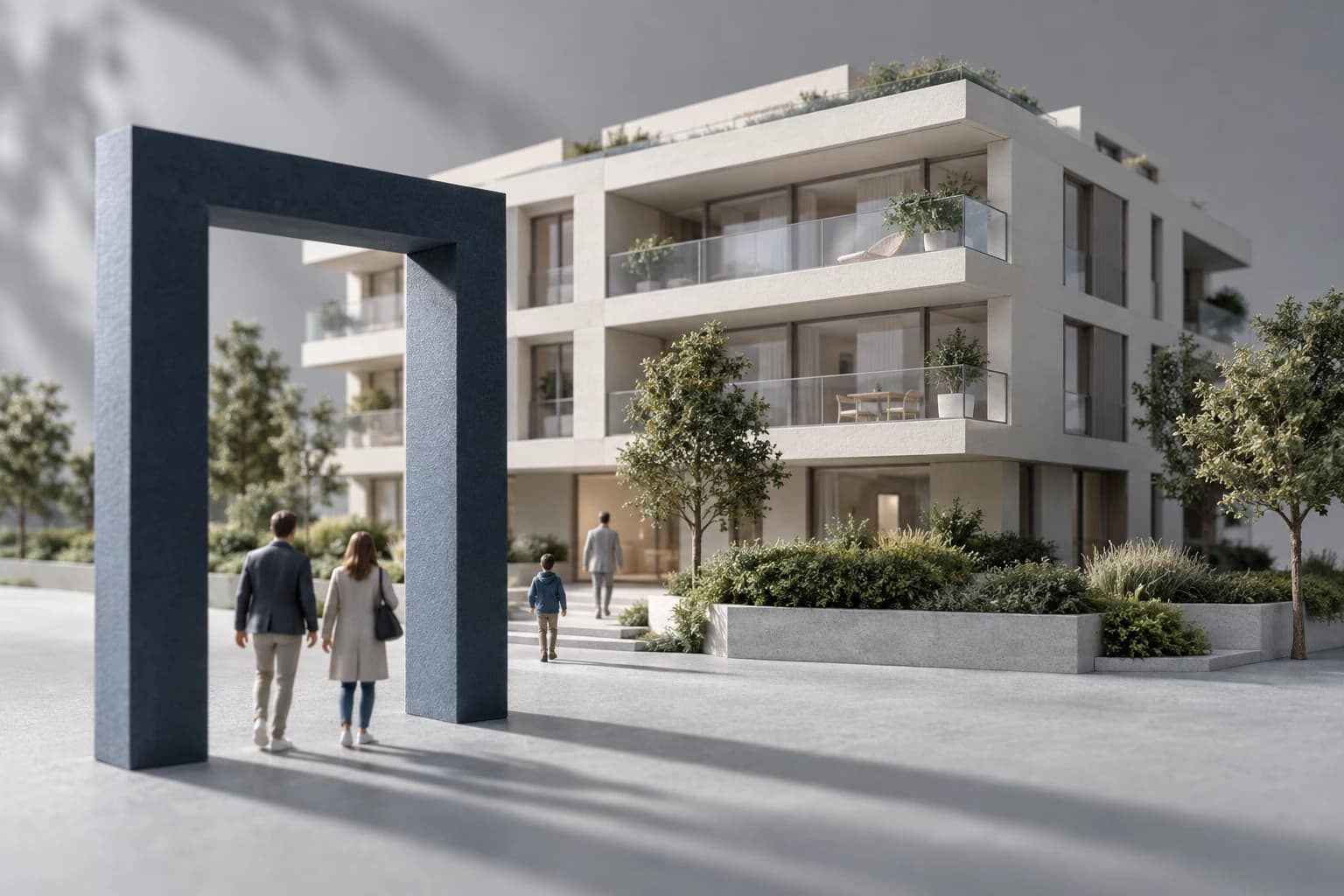
A portal does one thing, and does it well: it answers someone who is searching. The person types a town, a floor area, a budget, and your development appears in a list next to the others. Everything relies on an initial action that is not yours. If nobody searches this week, nobody sees you this week.
That explains a situation many developers know well: a sound development, well located, properly presented, and a flow of enquiries that depends on a calendar nobody controls. The pace of reservations becomes the pace of the portals.
What property portals see, and what they don't
A portal sees active demand. People who have decided to search, who compare, who visit, who hesitate between three listings. It is valuable demand and you need to be there.
It does not see demand that is forming. The couple renting in the next town who talk about buying “one day”. The manager who has just been transferred and has not opened a single listing yet. The parents looking for their daughter without knowing where to start. These people will buy. Some of them will buy from you, if they learn that your development exists before they draw up their shortlist.
The day they start searching, they will arrive on the portals with their minds already made up. If your development is not part of it, it will have to fight at that moment, on the same three lines as the others.
Reaching demand before it is expressed
Reaching someone who is not yet searching requires a different mechanism from a listing. You have to present yourself where they are, with a message about their situation, not about square metres.
- Campaigns aimed at a profile, not a search. On Facebook and Instagram, you are not answering a query: you choose who you talk to, in which area, with which message. Google then captures those who, having seen the development, search for it by name or by town.
- A page that belongs to the development. Plans, unit types, finishes, prices and availability, unit by unit, without the template imposed by a portal form. This page receives the campaigns and turns interest into a documentation request.
- Qualification on arrival. Each enquiry is read according to its project, budget, timing and the type of unit sought, then passed to the sales team with its context.
- Follow-up for those who hesitate. A buyer who requested a brochure and stopped responding has not disappeared. They are waiting, comparing, and need a new argument. Follow-up brings them back into the journey.
What it changes for the developer
The first change is pace. Demand no longer depends only on what people type this week. It is created, maintained and followed up. For a launch, that means first enquiries before viewings open, not after.
The second is ownership. Enquiries generated by your campaigns come to you, on your page, in your tracking. The audiences built during the sales campaign remain yours. For the next development, you do not start from scratch.
The third is visibility. Each enquiry is linked to the campaign that produced it, and each reservation to its enquiry. You know what each channel produces and what each enquiry costs, during the sales campaign, not after.
“The portals stay. We add what is missing: a source of enquiries that belongs to you.”
Portals and brokers are not replaced
This approach does not mean leaving the portals or doing without a broker. Portals keep capturing active demand. The broker keeps meeting buyers and closing. What is added is a source of enquiries that does not depend on a stranger's first move, and tracking that links each contact to what produced it.
The right question is therefore not “portals or campaigns”, but: how many enquiries last month, and from where? If the answer is uncertain, the demand forming around your development is still escaping you.
FAQ
Frequently asked questions
No. Portals capture active demand and remain useful, especially at launch. Campaigns and a dedicated page come on top, to reach those who are not yet searching.
An enquiry from a portal has compared several listings and arrives late in its thinking. An enquiry from a campaign discovers the development earlier; it is qualified, followed up through to reservation, and its origin is known.
Share
